Coconut-derived · Research-based
Your guide to understanding the health benefits of monolaurin
A plain-language library on what monolaurin is, what the research actually shows, and how to choose a supplement worth taking.
What is monolaurin
A compound your body already knows how to make, just not much of it.
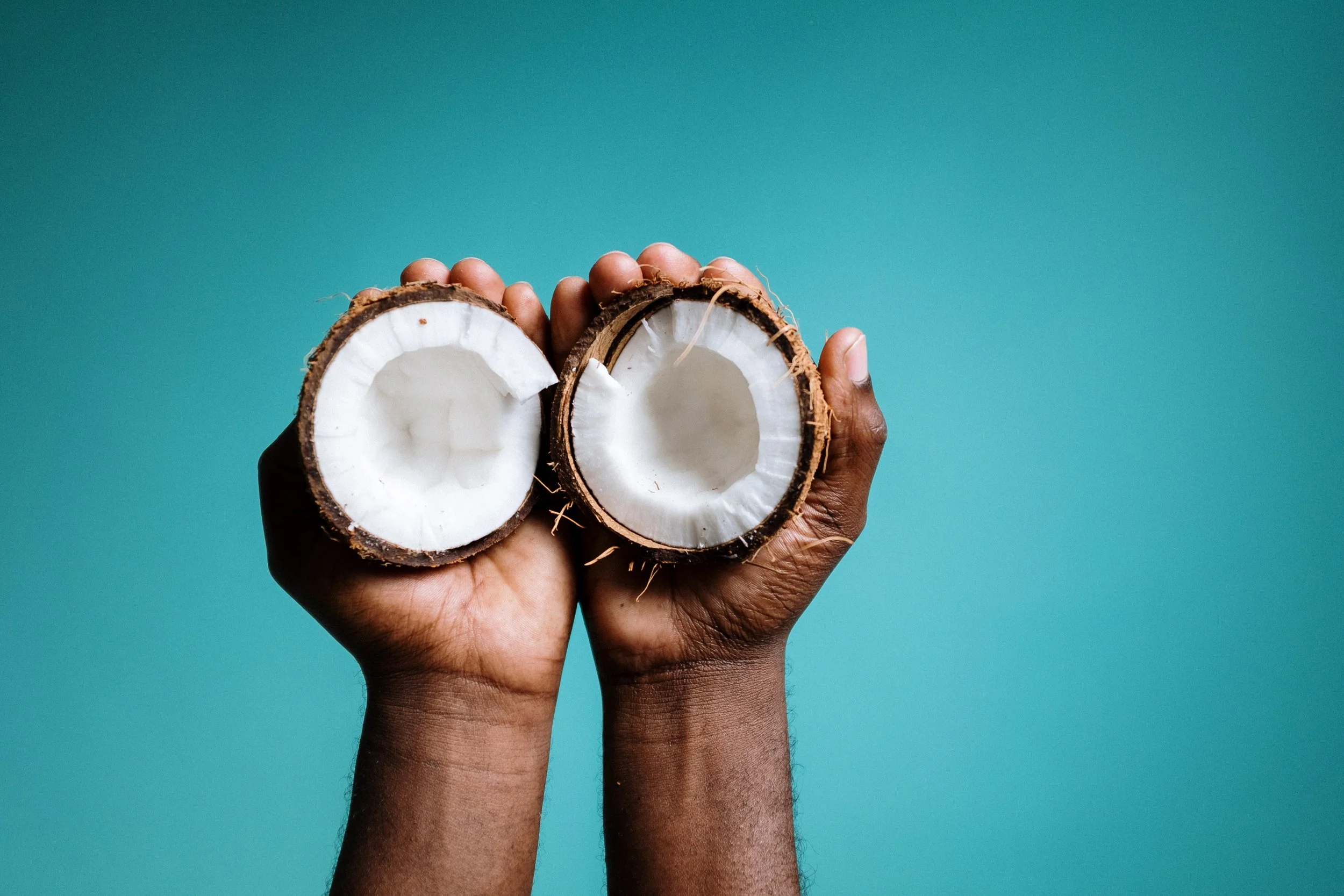
Monolaurin is made from lauric acid, the main fat in coconut oil and one of the fats present in human breast milk. A small share of dietary lauric acid is thought to be converted into monolaurin in the body.
Because that conversion is limited, supplements offer a more consistent, concentrated way to include it in a daily routine.
01
It starts with coconut
Lauric acid is extracted from coconut oil, which contains a higher percentage of it than palm oil.
02
It becomes a monoglyceride
Bound to glycerol, lauric acid becomes glycerol monolaurate, the form studied in the lab.
03
It reaches your routine
Capsules, pellets or powder: the format decides how easily it fits your day, not how well it works.
Browse by topic
Start where your question is
Immune System
Cold sores, EBV, seasonal flu and the research behind daily immune support.
Skin Health
Acne-prone skin, inflammation and skin infections, from the inside out.
Overall Wellness
Dosing, timing, safety and who should be cautious with monolaurin.

Looking for a monolaurin supplement?
Shop Monolaurin sells a coconut-sourced monolaurin. It is run by the same team as this site.
Visit Shop Monolaurin
Common questions
What is monolaurin, exactly?
Monolaurin (glycerol monolaurate) is a monoglyceride formed from lauric acid, the main fat in coconut oil and one of the fats present in human breast milk. A small share of dietary lauric acid is thought to be converted into monolaurin in the body.
How long does it take to work?
There is no single answer. Most people take it as part of a daily routine rather than for an immediate effect, and give it several weeks of consistent use before evaluating how they feel.
Capsules, pellets or powder: does it matter?
Not for quality. Capsules are the most convenient, pellets make gradual dosing easy, and powder gives the most control at the cost of taste and measuring. Pick the one you will actually take.
How do I know a product is high quality?
Look for coconut-sourced lauric acid, a short ingredient list with no fillers or allergens, a stated amount of monolaurin per serving, and third-party lab testing. cGMP or NSF manufacturing is a further good sign.
Who should be cautious with monolaurin?
Anyone pregnant, nursing, taking prescription medication, or managing a diagnosed condition should speak with a healthcare professional before starting any dietary supplement.